

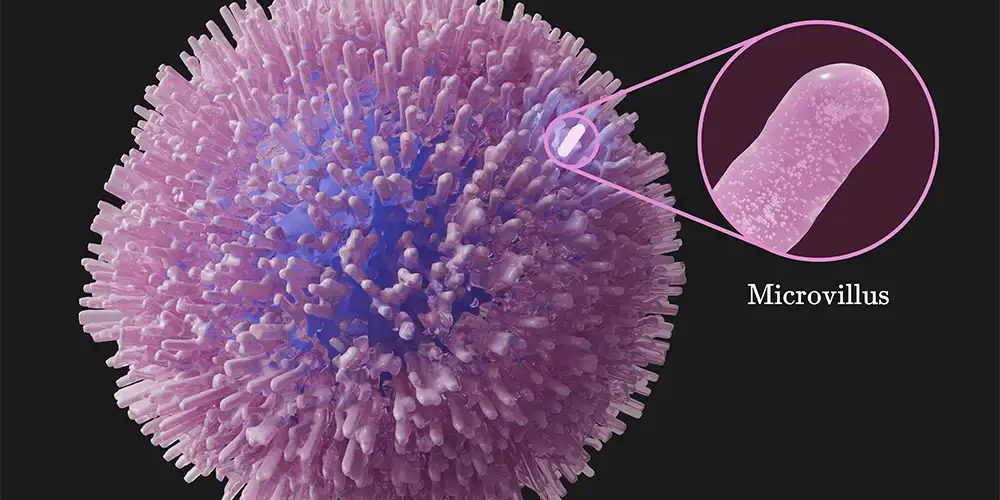
Long Term Immune Health: Glutathione and T-Cell Function
When your body encounters a virus, a bacteria, or an abnormal cell, it doesn’t just send a general alarm. It launches a highly coordinated, targeted response built around a specific type of white blood cell called a T-cell. These cells are the backbone of adaptive immunity, the part of your immune system that learns, remembers, and responds with precision. And glutathione is one of the key molecules that determines how well they work.
What T-Cells Are and Why They Matter
T-cells are a type of lymphocyte, a category of white blood cell produced in bone marrow and matured in the thymus gland. They are the central players in adaptive immunity, the immune system’s ability to recognize specific threats, mount targeted responses, and build immunological memory so future encounters with the same pathogen can be handled faster and more effectively.
Unlike the innate immune system, which responds rapidly but non-specifically to any perceived threat, the adaptive immune system takes time to develop a response but produces one that is far more precise and long-lasting. T-cells are at the heart of this precision. They identify specific antigens on the surface of pathogens or infected cells, coordinate the immune response, carry out targeted destruction, and then regulate the process to prevent it from causing collateral damage.
When T-cells function well, the immune system is capable of handling complex infections, preventing reinfection by pathogens it has encountered before, and identifying and eliminating abnormal cells before they can cause disease. When T-cell function is compromised, all of these capabilities suffer.
The Three Types of T-Cells and What Each One Does
There are three primary types of T-cells, each with a distinct and essential role in the immune response. Glutathione influences all three.
Helper T-cells, also called CD4+ T-cells, are the commanders of the adaptive immune response. When they encounter a pathogen, they activate and begin releasing chemical signals called cytokines that recruit and coordinate other immune cells. They direct killer T-cells to destroy infected cells, stimulate B-cells to produce antibodies, and help calibrate the overall intensity and duration of the immune response. Without adequate helper T-cell function, the immune response lacks direction and coordination.
Killer T-cells, also called CD8+ or cytotoxic T-cells, are the front-line executioners of the adaptive immune system. Once activated by helper T-cells, they seek out and destroy cells that have been infected by viruses or other intracellular pathogens, as well as cells that have become cancerous or otherwise abnormal. They do this by releasing proteins that puncture the target cell’s membrane and trigger programmed cell death. Their effectiveness depends heavily on their metabolic capacity, which in turn depends significantly on intracellular glutathione.
Suppressor T-cells, also called regulatory T-cells or Tregs, perform the critical function of winding down the immune response once a threat has been neutralized. Without effective suppression, immune responses can continue past the point of usefulness, causing inflammation and tissue damage that becomes a problem in its own right. Regulatory T-cells prevent this by signaling other immune cells to stand down. Their proper function is essential for avoiding chronic inflammation and autoimmune reactions.
Key Point: Glutathione doesn’t just support one type of T-cell. It influences all three, affecting the coordination, execution, and resolution of immune responses simultaneously.
How Glutathione Fuels T-Cell Activity
When a T-cell is activated, its energy demands increase dramatically. It needs to proliferate rapidly, producing many copies of itself to mount an effective response. It needs to synthesize large amounts of cytokines and other signaling molecules. And it needs to sustain intense metabolic activity for days or weeks while the immune response is ongoing.
All of this requires a significant internal shift in how the cell produces and uses energy, a process researchers call metabolic reprogramming. Glutathione plays a direct role in enabling this reprogramming. Research has shown that intracellular glutathione levels influence the metabolic flexibility of T-cells, their ability to switch between different energy production strategies depending on the demands they face.
T-cells with adequate glutathione can activate more readily, proliferate more effectively, and sustain their activity longer. T-cells with depleted glutathione show impaired activation, reduced proliferation, and compromised functional capacity. This has been demonstrated in multiple research contexts, including studies of aging, HIV infection, and other conditions associated with chronic glutathione depletion.
Glutathione Protects T-Cells From Their Own Activity
One of the less intuitive but important aspects of T-cell biology is that mounting an immune response is itself an oxidatively stressful process. When T-cells activate and begin doing their job, they generate significant amounts of reactive oxygen species as byproducts of their intense metabolic activity. These free radicals are useful as weapons against pathogens, but they can also damage the T-cells themselves if they aren’t properly managed.
Glutathione functions as an internal antioxidant shield within T-cells, neutralizing the reactive oxygen species generated by the cell’s own activity. This protective function is what allows T-cells to sustain an immune response without destroying themselves in the process. When glutathione levels are low, T-cells become more vulnerable to oxidative self-damage, their lifespan shortens, and their ability to mount a sustained response is compromised.
This helps explain one of the more consistent findings in immunology research: that conditions associated with chronic oxidative stress and low glutathione, including aging, chronic infection, and certain metabolic conditions, are also associated with reduced T-cell function and impaired immune responses.
The Glutathione-T-Cell Connection in Aging
As glutathione levels decline with age, T-cell function tends to decline along with them. This is one of the contributing factors to the phenomenon known as immunosenescence, the gradual weakening of immune function that comes with aging and that accounts for much of the increased susceptibility to infection and disease seen in older adults.
Aging T-cells show several characteristic changes: they activate more slowly, proliferate less effectively, produce fewer cytokines, and are less capable of the metabolic reprogramming needed to sustain an active immune response. Research has linked these changes in part to declining intracellular glutathione, suggesting that supporting glutathione levels as we age may help maintain T-cell function and slow the rate of immune decline.
Studies of physically active older adults are instructive here. Regular exercise is associated with both higher glutathione levels and better-preserved immune function in aging populations. While the relationship is complex and involves many factors, the correlation between glutathione status and T-cell performance across age groups is consistent enough to suggest a meaningful connection.
Glutathione, T-Cells, and Chronic Infection
Some of the most detailed research on glutathione and T-cell function has come from the study of chronic viral infections, particularly HIV. HIV targets and destroys CD4+ helper T-cells directly, and patients with HIV consistently show severely depleted glutathione levels both in plasma and within T-cells themselves.
Research has found that the depletion of glutathione in HIV patients is not simply a consequence of T-cell loss. It actively contributes to further T-cell dysfunction and accelerated disease progression. Studies exploring glutathione supplementation in HIV patients found improvements in T-cell survival and function, suggesting that the relationship between glutathione and T-cell health is genuinely causal, not merely correlational.
While HIV represents an extreme case, the underlying biology is relevant to anyone dealing with chronic infection or chronic immune activation. Any condition that persistently depletes glutathione while placing sustained demands on the immune system creates conditions that compromise T-cell function over time.
Supporting T-Cell Function Through Glutathione
The practical implication of all this research is straightforward. If T-cell function depends significantly on intracellular glutathione, then maintaining adequate glutathione levels is one of the most direct ways to support the adaptive immune system over the long term.
This doesn’t require exotic interventions. It requires ensuring that the body has the nutritional building blocks it needs to maintain continuous glutathione synthesis, particularly cysteine, the rate-limiting amino acid in the process. It means managing the lifestyle factors that accelerate glutathione depletion: chronic stress, heavy alcohol use, smoking, and poor diet. And it means understanding that the effectiveness of your immune system is not just about how many immune cells you have, but about how well those cells can function when called upon.
T-cells are only as good as the cellular environment they operate in. Glutathione is a central part of what makes that environment supportive rather than hostile to effective immune function.
Bottom Line: Glutathione fuels T-cell activation, protects T-cells from oxidative damage during immune responses, and supports the regulatory functions that prevent immune overreaction. It is one of the most important molecular factors in T-cell health, and by extension, in the health of your entire adaptive immune system.
Support Your T-Cells From the Inside Out
Immunocal® delivers the patented cysteine precursor your immune cells need to maintain the glutathione levels that keep T-cells activated, protected, and performing at their best.