
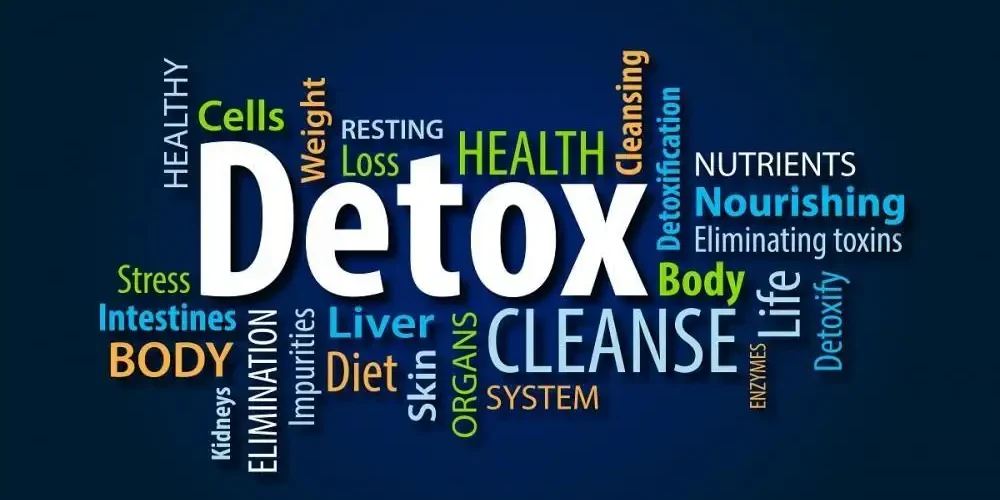
The word detox gets thrown around a lot in wellness circles, often attached to juice cleanses, supplements, and fasting protocols of questionable value. But real detoxification is not a trend. It’s a continuous biological process your body performs every single day, and glutathione is at the center of it.
What Detoxification Actually Means
True detoxification is the process by which the body identifies harmful substances, transforms them into less toxic compounds, and eliminates them safely. It happens primarily in the liver, but also in the lungs, kidneys, intestines, and at the cellular level throughout the body.
The liver handles most of the heavy lifting through a two-stage process. Phase I uses enzymes to chemically modify toxins, making them more reactive. Phase II then neutralizes these reactive intermediates by attaching them to other molecules, making them water-soluble so they can be excreted through bile or urine. Glutathione is one of the most important molecules involved in Phase II, and in some cases it plays a role in Phase I as well.
Without adequate glutathione, Phase II detoxification slows down. The reactive intermediates created by Phase I accumulate, and these compounds can actually be more damaging than the original toxins. This is why supporting glutathione isn’t just about antioxidant protection. It’s about keeping the entire detoxification system running efficiently and safely.
How Glutathione Neutralizes Toxins in the Liver
Inside the liver, glutathione works through a process called conjugation. Glutathione molecules bind directly to toxic compounds, a process facilitated by a family of enzymes called glutathione S-transferases. This binding transforms the toxin into a glutathione conjugate, a new compound that is far less harmful and far more water-soluble than the original substance.
Once conjugated, these compounds can be transported out of liver cells and excreted through bile into the digestive tract, eventually leaving the body through the stool. Some conjugates are also processed by the kidneys and excreted in urine. Either way, the end result is the safe elimination of substances that would otherwise accumulate and cause damage.
The range of compounds that glutathione helps process is remarkably broad. It includes environmental pollutants, pesticide residues, food additives, alcohol metabolites, pharmaceutical compounds, and a wide variety of carcinogens. This is why the liver maintains such high concentrations of glutathione compared to most other tissues. The demand is constant and the stakes are high.
Key Point: Glutathione doesn’t just neutralize toxins. It physically binds to them, tags them for removal, and escorts them out of the body through the liver and kidneys.
Glutathione and Heavy Metal Removal
Heavy metals represent one of the most serious categories of environmental toxins. Lead, mercury, arsenic, and cadmium can enter the body through contaminated water, food, dental materials, occupational exposure, and air pollution. Once inside, they don’t break down or metabolize the way organic compounds do. They accumulate in tissues, particularly the liver, kidneys, and nervous system, where they interfere with enzyme function, disrupt cellular signaling, and generate oxidative damage over time.
Glutathione addresses heavy metals through a process called chelation. It binds directly to heavy metal ions, forming stable complexes that prevent the metals from interacting with cellular components. This binding is important for two reasons. First, it neutralizes the immediate toxic and oxidative effects of the metal. Second, it converts the metal into a form that the body can transport and excrete, primarily through the bile and kidneys.
Research has demonstrated that glutathione plays a significant role in the body’s natural defense against mercury toxicity in particular. Mercury has a strong affinity for the sulfur-containing portion of glutathione, which is what makes the binding possible. People with higher glutathione levels show greater capacity to handle mercury exposure, while those with depleted levels are more vulnerable to accumulation and toxicity.
The Lungs: A Frontline Detoxification Organ
Most discussions of detoxification focus on the liver, but the lungs perform a critical and often overlooked detoxification function. Every breath you take brings in not just oxygen but also airborne pollutants, particulate matter, pathogens, chemical vapors, and oxidative compounds. The respiratory epithelium, the thin layer of cells lining your airways, is the first barrier against all of these.
The lungs maintain some of the highest glutathione concentrations of any organ in the body, concentrated particularly in the fluid lining the airways. This glutathione serves as an antioxidant shield, neutralizing oxidative compounds before they can penetrate deeper into lung tissue or enter the bloodstream. It also supports the immune cells stationed in the lungs that identify and neutralize pathogens and particulate threats.
When airway glutathione is depleted, whether by cigarette smoke, heavy air pollution, or respiratory infection, the lungs become significantly more vulnerable to oxidative damage and inflammation. This connection helps explain why lung conditions are so strongly associated with oxidative stress, and why maintaining glutathione levels is particularly relevant for respiratory health.
Nanoparticles and the New Frontier of Detoxification
Modern medicine and industry have introduced a new category of substance the body needs to handle: nanoparticles. These extremely small particles, used in everything from drug delivery systems to food packaging to cosmetics, can accumulate in tissues if the body can’t process them effectively.
Research has found that glutathione plays a role in the liver’s ability to clear nanoparticles from the bloodstream. As glutathione is released from liver cells into the sinusoids, the specialized blood vessels running through the liver, it alters the surface chemistry of nanoparticles in a way that facilitates their removal. This suggests that glutathione’s detoxification role extends even to substances that weren’t part of the biological environment when the glutathione system evolved, which speaks to the fundamental versatility of this molecule.
Glutathione and Alcohol Metabolism
When you consume alcohol, your liver works to break it down through a series of chemical reactions. One of the byproducts of this process is acetaldehyde, a toxic compound that is considerably more damaging than alcohol itself. Acetaldehyde is responsible for much of the cellular damage associated with heavy drinking, including liver inflammation and oxidative stress.
Glutathione is directly involved in neutralizing acetaldehyde and the free radicals generated during alcohol metabolism. It also helps protect liver cells from the oxidative damage that alcohol metabolism produces. The problem is that this process consumes large amounts of glutathione. Regular heavy drinking can deplete hepatic glutathione reserves significantly, impairing the liver’s ability to handle not just alcohol but all the other toxins it needs to process.
This is one reason why people who drink heavily are at elevated risk for liver disease. It’s not just the direct toxic effects of alcohol. It’s the depletion of the very molecule the liver depends on to protect itself.
Supporting Your Body’s Detoxification System
The detoxification functions of glutathione are not optional extras. They are fundamental to your body’s ability to manage the toxic burden of modern life. And that burden is substantial. Between environmental pollutants, dietary chemicals, medications, alcohol, and the body’s own metabolic waste products, the demand for effective detoxification has never been higher.
Supporting this system starts with not actively depleting it. Reducing alcohol intake, minimizing exposure to environmental toxins where possible, eating a diet that provides the amino acid precursors for glutathione synthesis, and managing chronic stress all help maintain the glutathione reserves your detoxification system depends on.
Beyond that, ensuring your body has adequate cysteine, the rate-limiting building block of glutathione, is the most direct way to support continuous glutathione synthesis. Because unlike vitamins or minerals that you can simply eat more of, glutathione itself isn’t effectively absorbed from supplements. The body needs to make it, and it needs the right materials to do so.
Bottom Line: Real detoxification happens at the cellular level every day, and glutathione is the molecule doing most of the work. Supporting it isn’t a wellness trend. It’s basic biochemistry.
Support Your Body’s Natural Detox System
Immunocal® delivers the patented cysteine precursor your liver, lungs, and cells need to keep glutathione levels where they need to be for effective, continuous detoxification.