
What Does Glutathione Do and How Can it Help You?
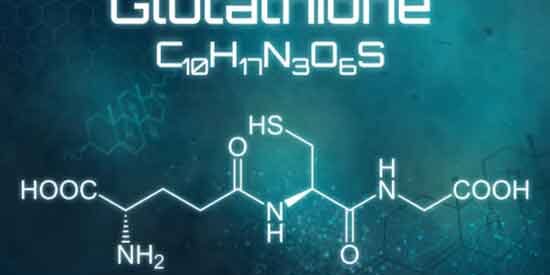
Glutathione tends to get a single-sentence description: the body’s master antioxidant. That’s accurate, but it barely scratches the surface. Glutathione is involved in so many critical processes that researchers who study it often say it’s one of the most under appreciated molecules in human biology.
1. It Neutralizes Free Radicals Before They Cause Damage
Every cell in your body produces free radicals as a natural byproduct of metabolism. These unstable molecules are also generated by stress, pollution, UV radiation, alcohol, and poor diet. Left unchecked, they damage cell membranes, proteins, and DNA in a process called oxidative stress.
Glutathione is your body’s front-line defense against this damage. It works by donating electrons to neutralize free radicals, converting them into harmless substances that the body can safely eliminate. What makes glutathione unique is that it operates inside every cell, not just in the bloodstream or specific tissues. That means it provides protection at the exact location where oxidative damage begins.
2. It Powers Your Liver’s Detoxification System
Your liver processes everything that enters your body, from food and medications to environmental toxins and metabolic waste. To do this effectively, it relies on a two-stage detoxification process. Glutathione is the central player in Stage Two, known as Phase II detoxification.
In this stage, glutathione binds to fat-soluble toxins, including carcinogens, heavy metals, and drug metabolites, and converts them into water-soluble compounds that can be safely excreted. Without adequate glutathione, these substances can’t be properly processed and may accumulate in tissues, placing a chronic burden on the body. It’s no coincidence that the liver contains some of the highest concentrations of glutathione of any organ in the body.
3. It Protects and Repairs Your DNA
DNA damage is an unavoidable part of life. Radiation, oxidative stress, and toxic exposures all create errors in the genetic code that, if left unrepaired, can lead to faulty cell replication and accelerated cellular aging.
Glutathione plays a direct role in both the synthesis and repair of DNA. It helps maintain the accuracy of the genetic code and supports the cellular machinery responsible for correcting errors before they propagate. Beyond repair, glutathione also influences gene expression, including the genes that control the body’s own detoxification and immune response pathways. This makes it not just a reactive molecule, but an active participant in maintaining your body’s core biological programming.
Key Point: Glutathione doesn’t just protect against damage. It actively participates in repairing it and regulating the genes that govern your body’s defenses.
4. It Keeps Your Immune System Firing on All Cylinders
Your immune cells, particularly T-cells and lymphocytes, depend on glutathione to function at their best. Research has consistently shown that intracellular glutathione levels directly influence how well immune cells can activate, multiply, and carry out their defensive functions.
Glutathione supports three key types of T-cells. Helper T-cells identify and flag pathogens for destruction. Killer T-cells carry out the actual attack. Suppressor T-cells wind down the response once the threat is neutralized, preventing excessive inflammation. Glutathione helps all three types metabolically reprogram themselves during an active immune response, giving them the flexibility they need to respond effectively and then stand down appropriately.
It also supports cytokine production, the chemical signaling system that coordinates communication between immune cells, and protects mast cells in the respiratory tract, your body’s first line of defense against airborne pathogens.
5. It Regulates Protein Function Across Your Cells
One of the less talked about but deeply important things glutathione does is regulate how proteins behave inside your cells. Through a process called S-glutathionylation, glutathione acts as a molecular switch, attaching to specific proteins to modify their activity in response to changing cellular conditions.
When oxidative stress increases, this process helps cells adapt quickly by adjusting the function of key proteins involved in stress responses, energy production, and cellular signaling. When conditions normalize, the process reverses. This dynamic regulatory system allows your cells to respond intelligently to their environment rather than simply reacting to damage after the fact.
6. It Manages Iron Levels to Prevent Cellular Damage
Iron is essential for life. It’s required for oxygen transport, energy metabolism, and immune function. But iron in the wrong form or in excess quantities is genuinely dangerous. It can generate a particularly destructive type of free radical that causes serious oxidative damage to cells and organs.
Glutathione helps keep iron in its reduced, soluble form, the form the body can safely use. This prevents iron from triggering oxidative reactions while ensuring it remains available for the biological processes that depend on it. The result is a careful balancing act that protects against both the toxicity of excess iron and the deficiency that leads to anemia and immune suppression.
7. It Maintains Healthy Cell Death to Prevent Disease
The body relies on a carefully controlled process called apoptosis, or programmed cell death, to eliminate damaged, aged, or potentially dangerous cells. This process is one of the primary mechanisms your body uses to prevent the accumulation of dysfunctional cells that can contribute to disease.
Glutathione levels within a cell directly influence apoptosis. When glutathione is adequate, the balance between cell survival and cell death is maintained properly. When it drops too low, this balance is disrupted, potentially triggering unnecessary cell death in healthy tissues or, conversely, failing to eliminate cells that should be cleared. Maintaining optimal glutathione is one of the ways the body keeps this critical process running as it should.
8. It Recharges Every Other Antioxidant in Your Body
This is perhaps the most underappreciated thing glutathione does. When other antioxidants, including vitamins C, E, and A, neutralize a free radical, they become oxidized in the process and temporarily lose their protective capacity. Without a way to restore them, your antioxidant network steadily loses effectiveness no matter how many supplements you take.
Glutathione steps in to regenerate these spent antioxidants, donating electrons to restore them to their active forms so they can continue doing their job. This makes glutathione the lynchpin of your entire antioxidant system. It doesn’t just work independently. It amplifies and sustains the effectiveness of every other antioxidant your body produces or consumes.
Think of It This Way: Every antioxidant in your body eventually needs to be recharged. Glutathione is the one doing the recharging. Without it, the whole system runs down.
Why This All Matters
Looking at these eight functions together, a clear picture emerges. Glutathione is not a specialist. It’s a generalist operating at the most fundamental level of cellular biology, touching immune function, detoxification, DNA integrity, protein regulation, iron balance, cell death, and the entire antioxidant network simultaneously.
The challenge is that glutathione levels naturally decline with age, stress, poor nutrition, and environmental exposure. And simply taking glutathione as a supplement doesn’t reliably solve the problem, because most forms break down in the digestive tract before reaching the cells that need them.
The most effective approach is to give your body the raw materials it needs to produce its own glutathione from the inside out, particularly cysteine, the rate-limiting amino acid in glutathione synthesis. That’s exactly what a well-formulated glutathione precursor is designed to do.
Support All 8 Functions With One Daily Habit
Immunocal® is the world’s only patented glutathione precursor, clinically proven to raise your body’s own glutathione naturally so every system that depends on it can perform at its best.